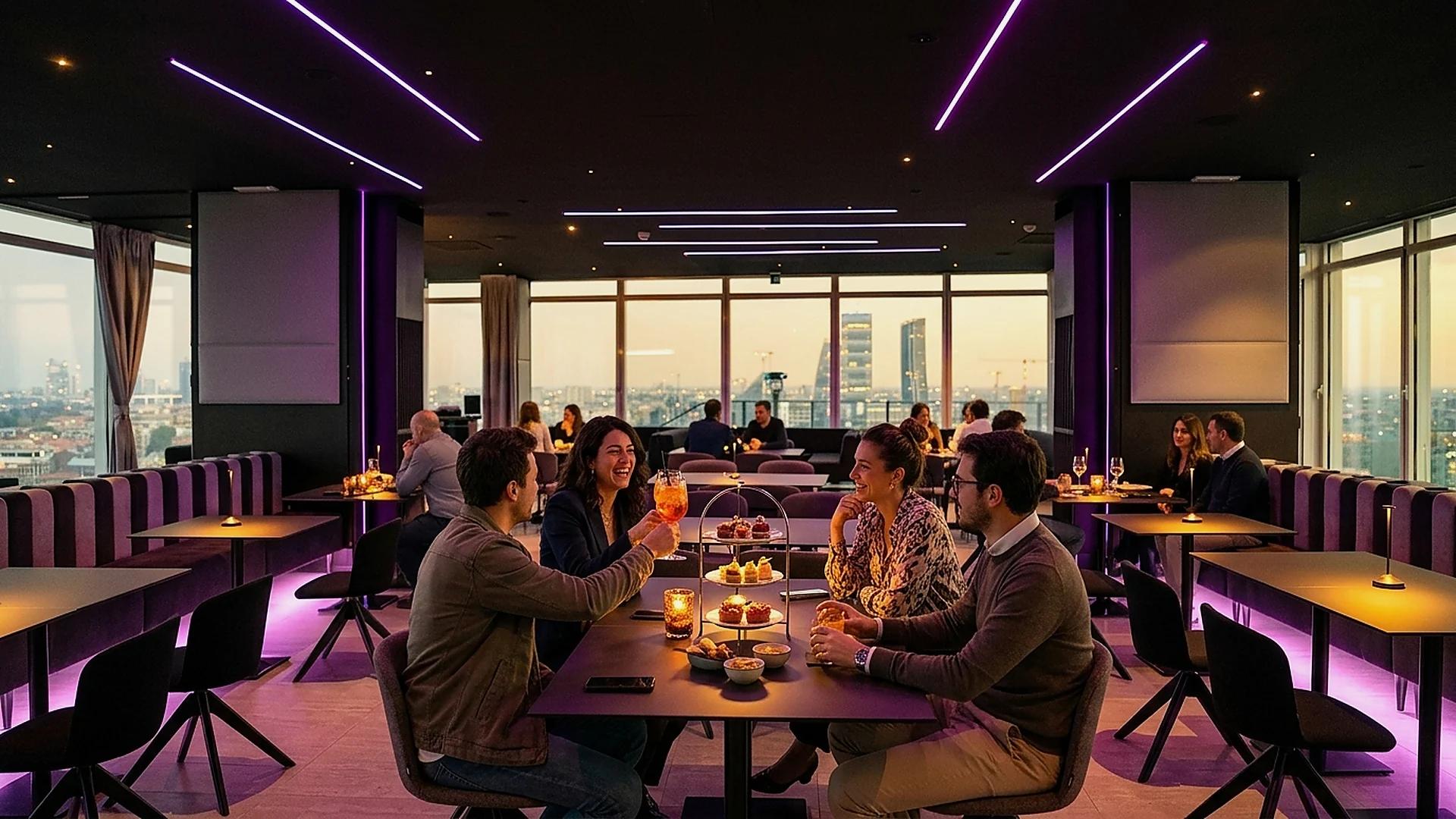
What apericena is
The word combines aperitivo and cena, Italian for dinner, and describes exactly what happens: an aperitivo so generous that it takes the place of dinner. It was born in Milan between the late nineties and the early 2000s, when bars began turning their plates of nibbles into real buffets, and it has since spread all over Italy. For many Milanese, especially young people, it is the simplest way to go out in the evening without spending what a restaurant costs.
Aperitivo, apericena, dinner
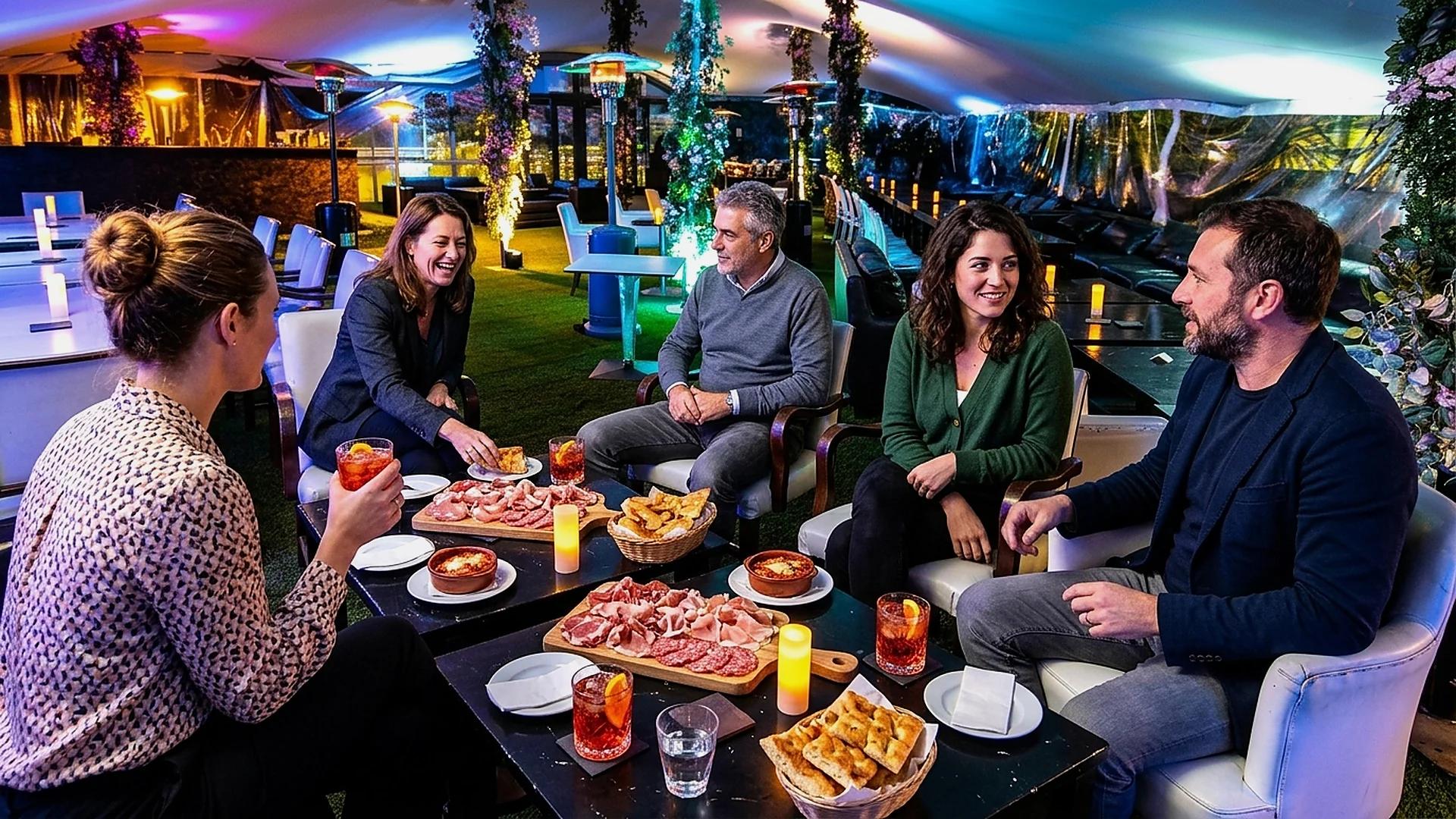
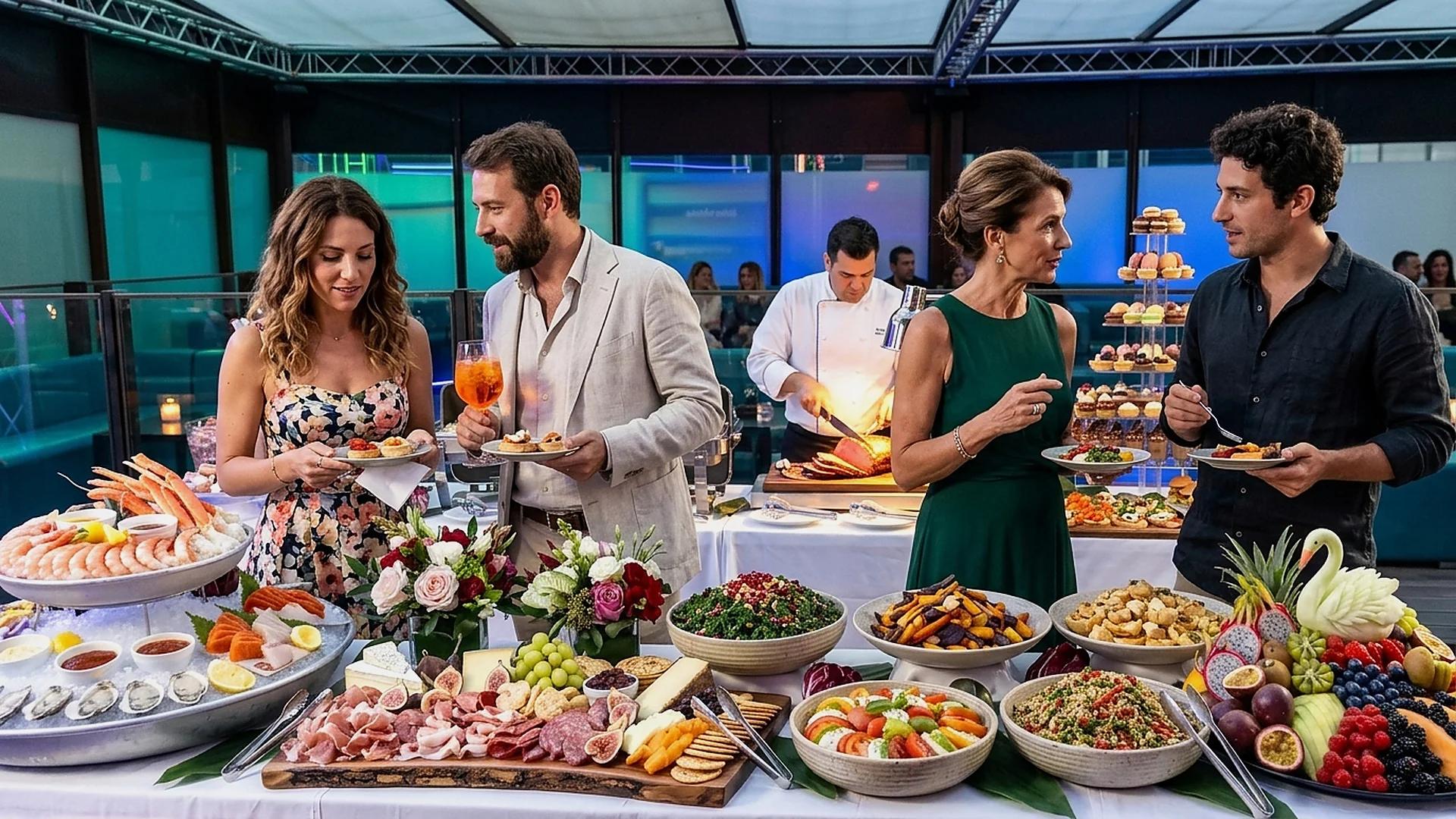
The difference lies entirely in what you eat. The classic aperitivo is a drink with something to nibble, meant to open the appetite before dinner. The apericena is a drink with a buffet of hot and cold dishes, meant to satisfy it. Dinner, finally, is seated, with dishes ordered and served. The apericena sits in between: you eat enough, but informally, standing or at shared tables, picking at this and that.
Why people love it
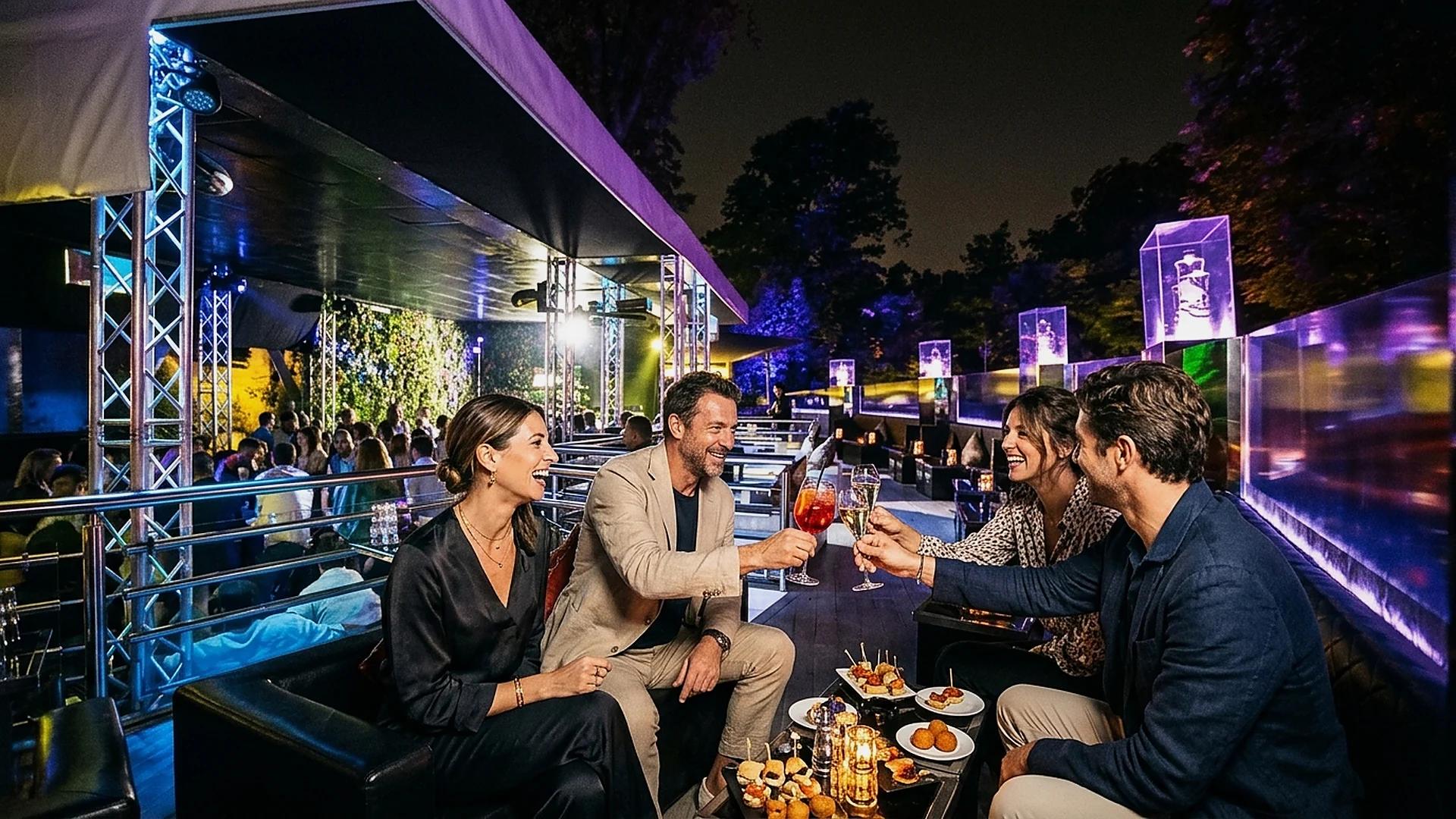
People love it because the price is predictable, because you can eat as much as you like, because the atmosphere is lively and because you see lots of people in one evening. It is the ideal format for an evening with friends, an informal birthday or a get-together after work. For a romantic occasion or a business dinner, something else is better.
How it works
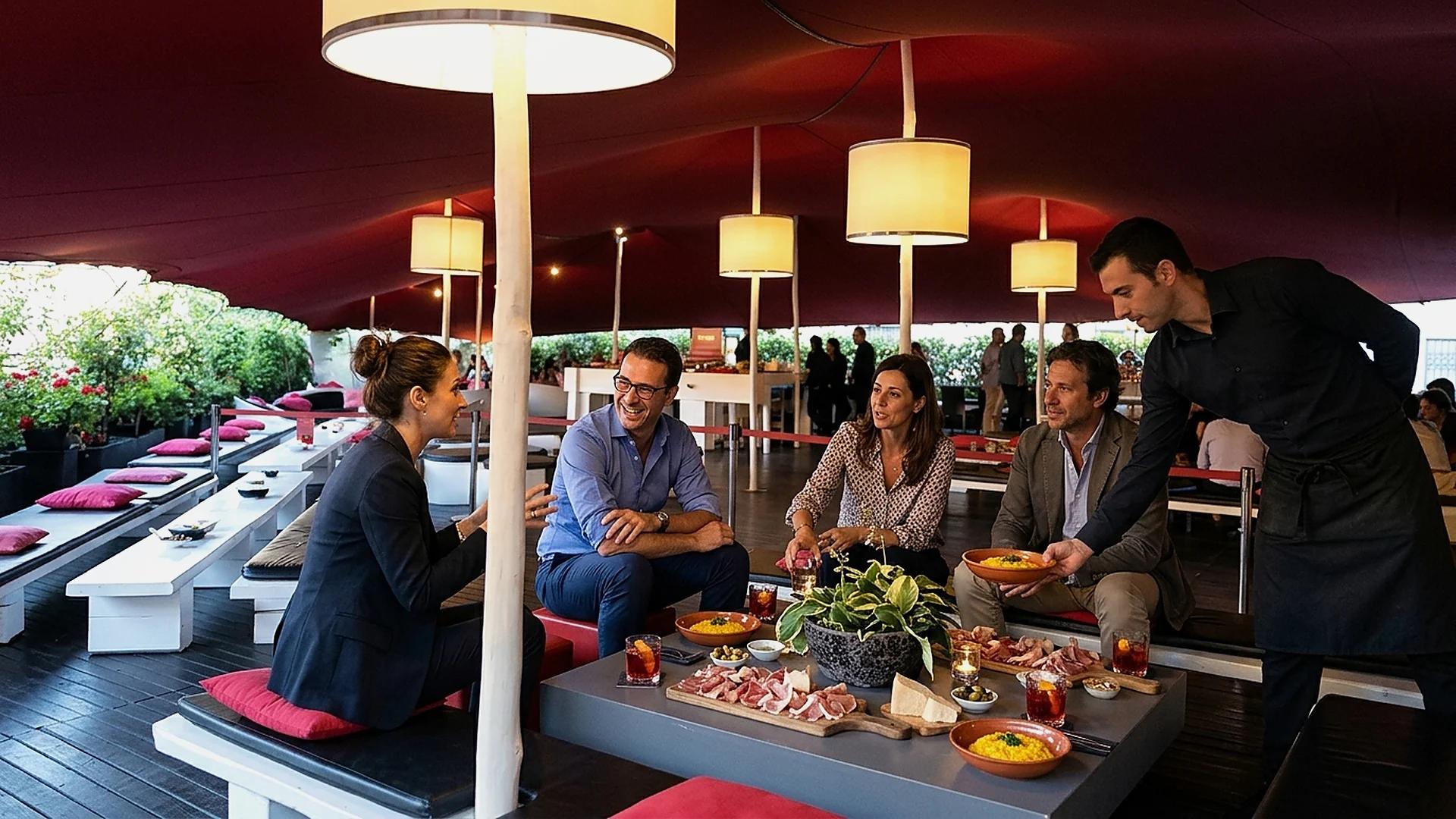
The drink opens the buffet
The principle is simple: you order a drink, priced higher than a normal aperitivo, and with that drink you get access to the buffet. In many venues the buffet is free for the whole evening; in others you pay extra for a second round or for the hot dishes. A second drink usually costs only the drink.
Timing
Apericena usually runs from seven to ten in the evening. The buffet is set up at the start and refreshed several times, but the best dishes are there in the first hour. Latecomers find less choice.
Where you stand or sit
In some venues apericena is standing or at the counter, plate in hand. In others there are long shared tables where whoever arrives sits down. In the more organised venues you can book a table, especially for groups.
| Formula | How it works | Good to know |
|---|---|---|
| Drink with open buffet | One drink, unlimited buffet for the evening | The most common formula |
| Drink with buffet rounds | One drink, one buffet round; further rounds extra | Ask first |
| Plate served with the drink | Plate brought to the table, no buffet | More refined, less abundant |
| Group package | Drink and buffet at a fixed price, reserved area | Must be booked |
What you eat
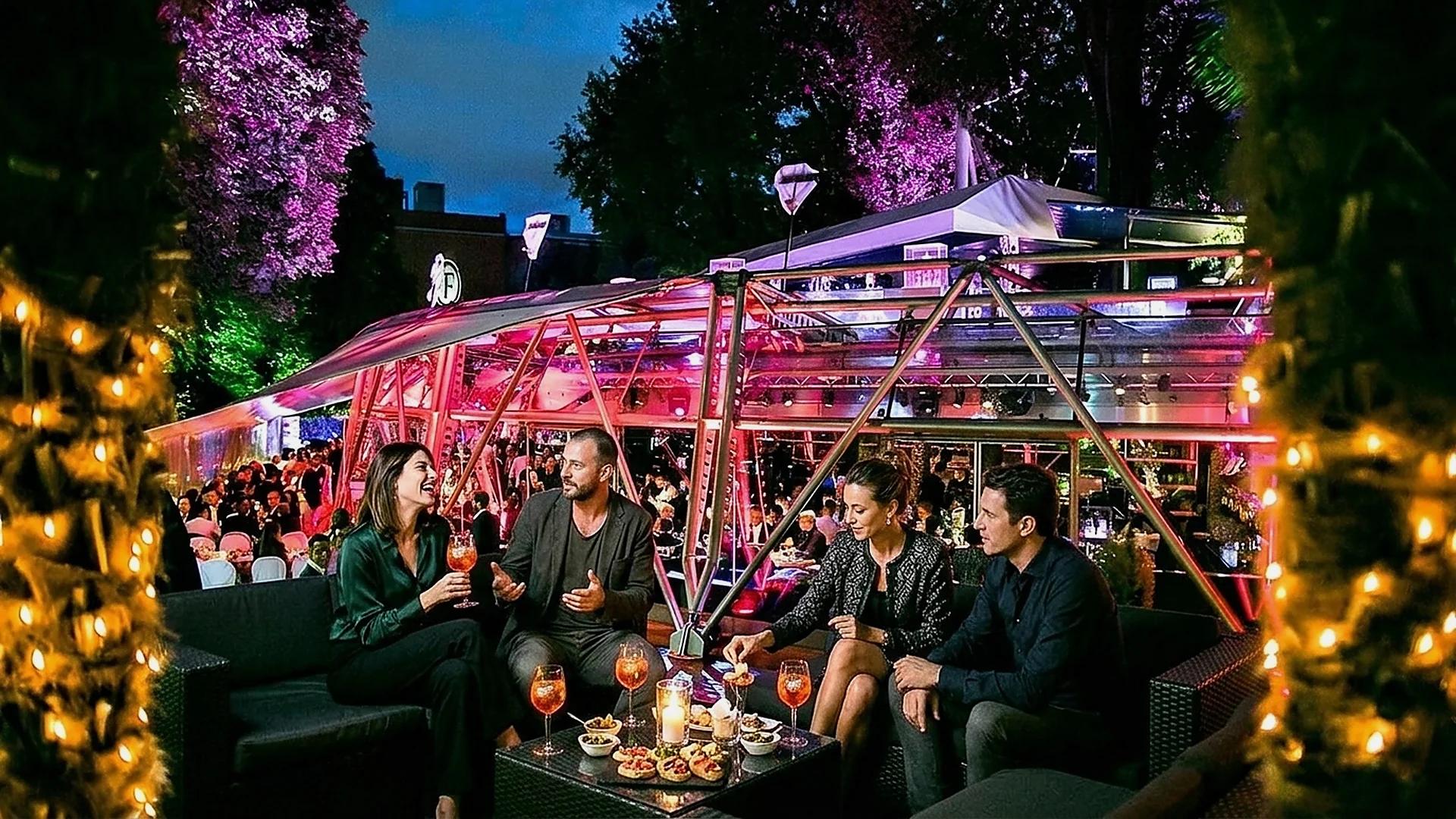
The Milanese apericena buffet has some dishes that almost always appear and others that change from venue to venue.
The classics
Pasta salad, rice salad, couscous, grilled vegetables, focaccia and mini pizzas, tramezzini sandwiches, small omelettes, meatballs, cubes of cured meat and cheese, olives, crisps, sometimes small fried bites. In the more careful venues there are hot dishes, such as baked pasta, a risotto or stuffed vegetables.
Milanese dishes
Some venues serve Lombard specialities in buffet form: mondeghili, the meatballs of Milanese home cooking, small portions of risotto alla milanese, Lombard cured meats and cheeses. It is a good way to taste the city's cuisine.
Vegetarian and vegan
There is almost always a vegetarian section in the buffet: vegetables, pasta, focaccia, cheese. For vegans the choice is smaller, but many venues have a few suitable dishes. For coeliacs and people with allergies a buffet is trickier, because cross-contamination is easy: ask the staff and, for a group, warn them in advance.
Desserts
The apericena buffet rarely has desserts. Those who want to finish on something sweet usually go for an ice cream afterwards, especially in summer.
The unwritten rules of the buffet
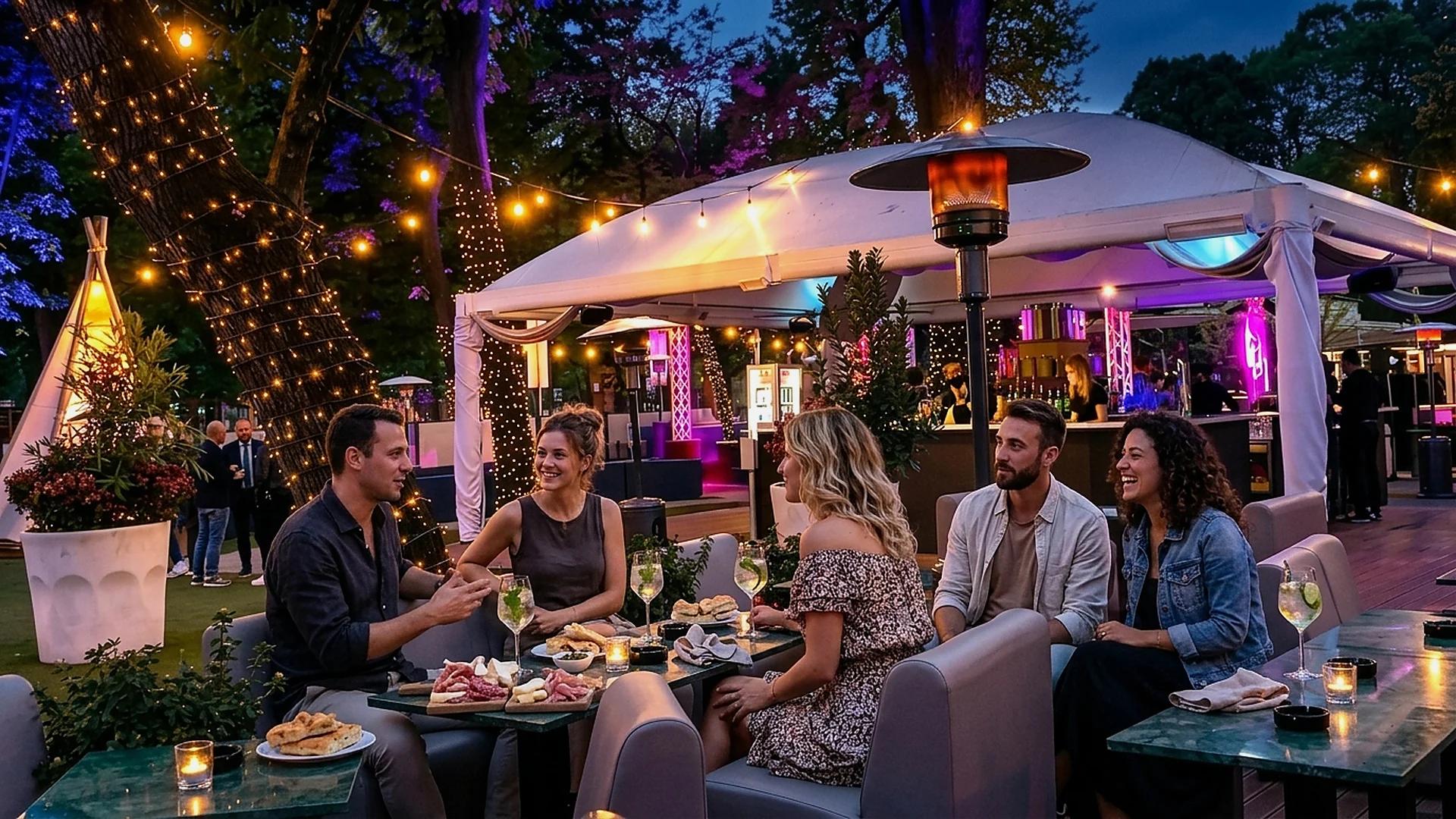
Apericena has an etiquette the Milanese know and visitors often ignore. Following it makes the evening pleasant for everyone.
One plate at a time
You visit the buffet several times with a small plate, not once with a mountain of food. Piling your plate over the edge is considered rude, and bartenders notice.
Do not take food away
The buffet is eaten in the venue. Taking food away in a napkin or a bag simply is not done.
Respect later arrivals
The buffet is for all the evening's customers. Someone who arrives at seven and eats for three hours without ordering a second drink, in a full venue, gets noticed. If you stay a long time, ordering a second drink is the fair thing to do.
Use the serving utensils
You take food with the buffet's tongs and spoons, not with your hands or your own cutlery. It is also a matter of respect for people with allergies.
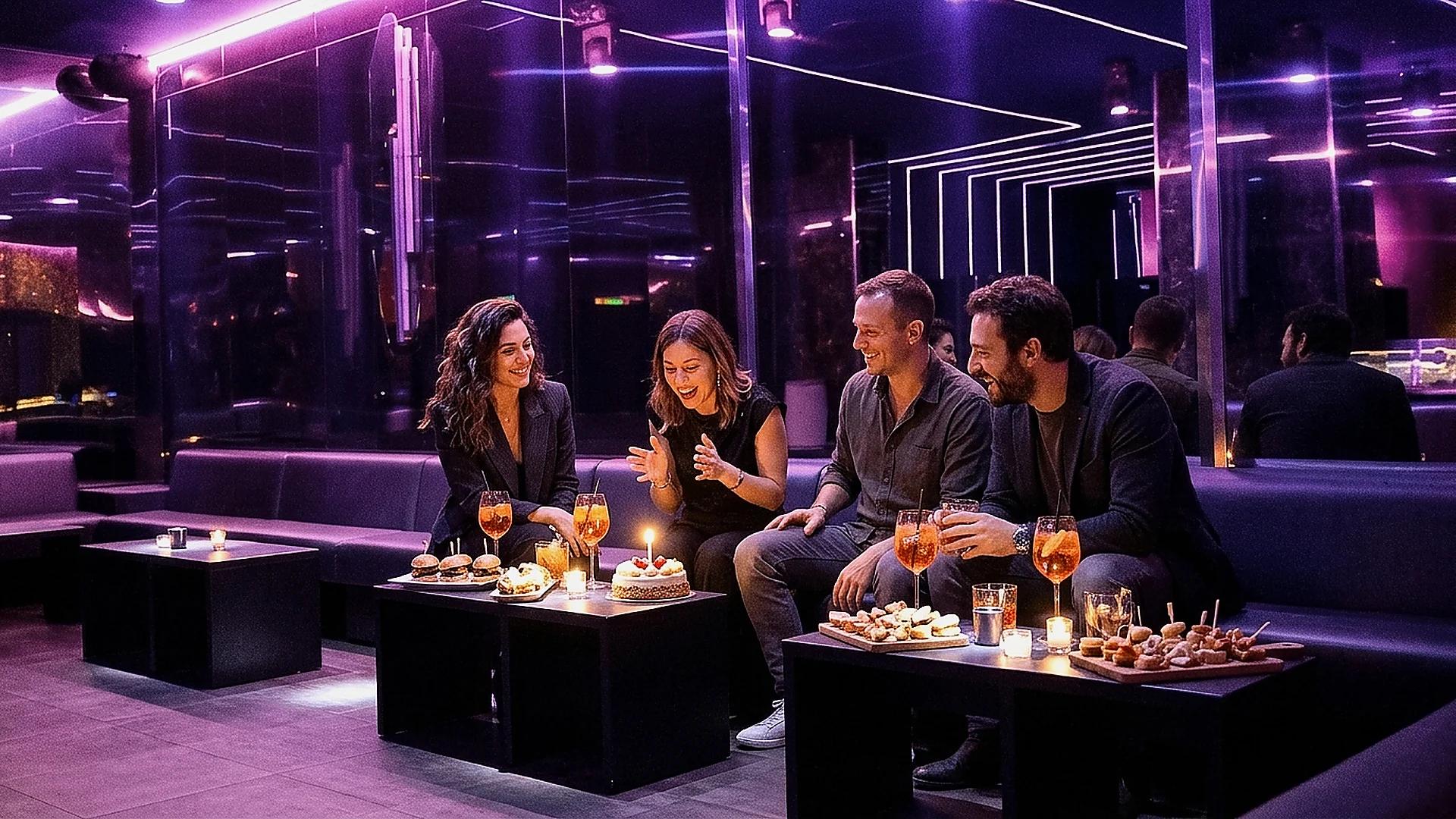
The apericena areas
Apericena can be found all over Milan, but some areas offer it more than others.
Navigli and Darsena
Along the Navigli many bars offer buffet formulas for a young, informal crowd. Evenings are lively and venues fill up early. Everything is on our page about the aperitivo on the Navigli.
Corso Como and Sempione
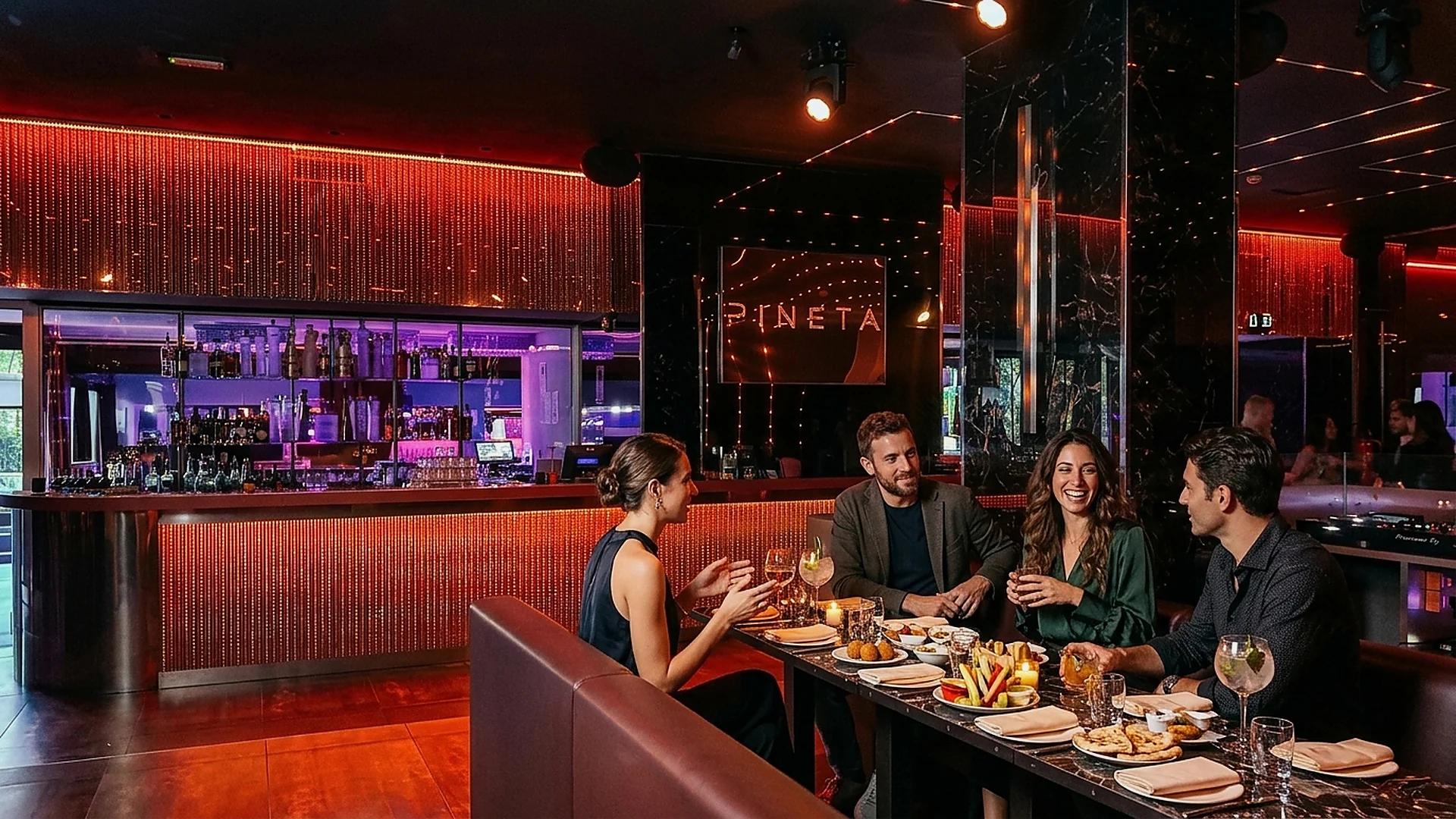
Around Corso Como and Sempione some venues offer apericenas that turn into parties: at Via Messina 38, Pineta Club is known for its singing aperitivo at long tables with a buffet; at Via Piero della Francesca 55, 55 Milano works with a format that moves from buffet to club night.
Città Studi and Lambrate
In the university areas apericena is a student habit, with cheap formulas and generous buffets. Our guide to the aperitivo in Città Studi and Lambrate describes the area.
Residential areas
Many neighbourhood bars, away from the nightlife circuits, offer an apericena on Fridays or on certain evenings of the week, often at lower prices. It is worth asking at your local bar.
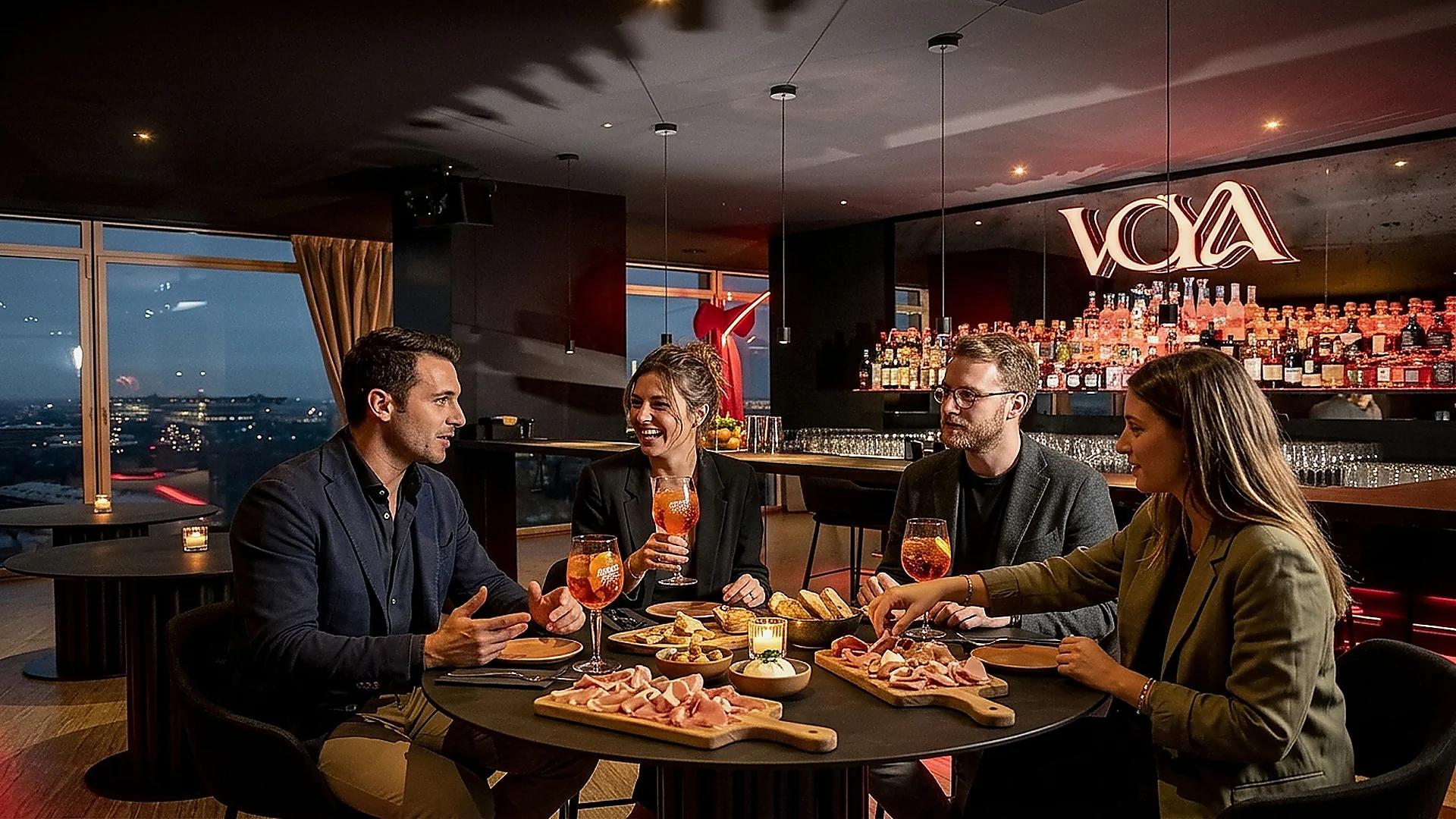
Apericena for a group
Why it works
For a group of friends, a birthday or a get-together, apericena is one of the simplest solutions: a predictable price per head, food for everyone, an informal atmosphere.
How to organise it
For a group of more than ten people, book a table or an area with a fixed-price formula. Ask what the buffet includes, how many drinks are included, how late you can stay and whether you can bring a cake. All the details are on our page about the group aperitivo.
For companies
An apericena is an affordable option for an evening with colleagues, a farewell or an end-of-project party. For a company aperitivo with an invoice and a reserved area there is our page about aperitivo services.
What you spend
The price of the drink
At an apericena the price of the first drink includes the buffet and is therefore higher than for a normal aperitivo. Further drinks usually cost the same as a normal drink. Prices vary widely by venue and area.
Compared with dinner
For anyone who needs to eat, an apericena usually costs less than an aperitivo followed by a restaurant dinner. For a small appetite, a simple aperitivo is better value. Price ranges are described in our guide on how much an aperitivo costs.
How to recognise a good apericena
Not all apericenas are equal. A few signs tell you whether the buffet is worth the price of the drink.
Freshness
A good buffet is refreshed several times during the evening with freshly prepared dishes. Half-empty trays and dried-out food at eight in the evening are a bad sign.
Variety
A buffet with only crisps, mini pizzas and pasta salad is a generous aperitivo, not an apericena. A good apericena has hot and cold dishes, vegetables, something from the kitchen and options for people who do not eat meat.
The drink
The drink matters too. In a serious venue the Spritz or cocktail is made with care, with good ice and correct measures, even if the price includes the buffet.
Space
An accessible buffet, with plates and cutlery available and a little room to move, makes the evening more pleasant. In overcrowded venues, the buffet becomes a struggle.
Apericena or happy hour
Many cities abroad have a happy hour, the time slot when drinks are cheaper. The Milanese apericena is something else: the drink is not cheaper, in fact it costs more, but it includes the food. Visitors looking for a happy hour in Milan will find it in some venues, but the city's ritual remains the aperitivo with something to eat.
An apericena evening, hour by hour
Around seven you arrive, order a drink and make your first trip to the buffet, when the dishes have just come out of the kitchen. Between half past seven and half past eight the venue fills up, the music rises and you chat with friends, going back to the buffet a couple of times. Around nine, those who want order a second drink; those heading to the cinema or a concert leave well fed. After half past nine the buffet closes or shrinks, and many venues turn into bars for after-dinner drinks.
Apericena for non-drinkers
Apericena is not just for people who drink alcohol. Almost every venue lets you access the buffet with a soft drink, a juice or an alcohol-free drink made by the bartender, often at the same price as an alcoholic drink, because what you mainly pay for is the buffet. For drivers, people who do not drink by choice or for health reasons, pregnant women and teenagers, it is a way to join in without missing out. Many Milan bars now have a carefully crafted alcohol-free list, with non-alcoholic bitters, aromatic tonic waters and homemade syrups.
Apericena and diets
If you are on a diet or want to eat light, you can still enjoy an apericena with a little care. Milanese buffets almost always have grilled vegetables, salads, pulses and fresh cheeses alongside fried food, mini pizzas and pasta. Choosing a plate of vegetables and protein, going easy on bread and fried food, and pairing everything with a light drink or a non-alcoholic one lets you have dinner without feeling heavy.